Healthy Fats for Athletes: Benefits, Sources & Performance
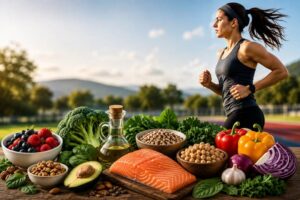
Quick Answer Yes. Healthy fats are essential for athletes because they support hormone production, nutrient absorption, overall health, and long-term energy needs. However, fats should

Quick Answer Yes. Healthy fats are essential for athletes because they support hormone production, nutrient absorption, overall health, and long-term energy needs. However, fats should

Quick Answer Most athletes need approximately 1.2–2.0 grams of protein per kilogram of body weight per day to support recovery, muscle repair, and adaptation to

Quick Answer Carbohydrates are the body’s preferred fuel source during moderate- to high-intensity exercise. Athletes who consume enough carbohydrates generally have better energy levels, maintain

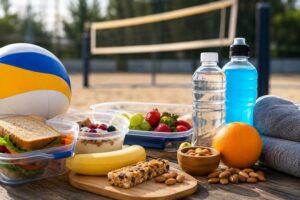
Quick Answer The best snacks for athletes combine carbohydrates for energy, protein for recovery, and practical timing to support training demands. Smart snacks help athletes

Quick Answer Athletes should stay hydrated before, during, and after exercise by consistently replacing fluids and electrolytes lost through sweat. Most athletes benefit from drinking

Quick Answer After a game, athletes should prioritize carbohydrates to restore energy, protein to support muscle repair, and fluids/electrolytes to rehydrate. Start with fluids and

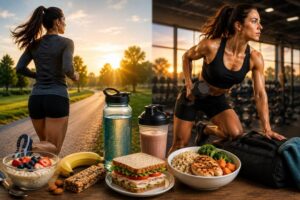
Quick Answer After training, athletes should prioritize carbohydrates to replenish glycogen, protein to support muscle repair, and fluids/electrolytes to rehydrate. A balanced recovery meal within

Quick Answer Before training, athletes should prioritize carbohydrates for energy, include moderate protein when appropriate, and adjust timing based on workout intensity and schedule. Unlike

Quick Answer Most athletes perform best when they eat a carbohydrate-focused meal about 2–4 hours before competition, then add a lighter snack closer to game

The 5 Nutrition Mistakes Athletes Make—and How to Fix Them Quick Answer Many athletes train consistently but still struggle with low energy, poor recovery, or